How to Prep a House Before Exterior Painting in Newcastle
A step-by-step guide on how to prep for exterior house painting in Newcastle. Covers washing, scraping, priming, and coastal prep tips.
Safety & Material Handling Disclaimer
Exterior maintenance, surface prep, and paint projects involve physical and environmental hazards. Operating high-pressure washers, climbing ladders, and handling chemical cleaners require strict safety compliance. Furthermore, working with substrates on buildings erected prior to 1970 carries high risk of lead paint exposure. Always utilize appropriate Personal Protective Equipment (PPE) including certified respirator masks, safety goggles, and heavy-duty gloves. For professional, fully insured execution, contact our licensed local team.
Quick answer: To prepare a house for exterior painting, start by pressure washing all surfaces. Then scrape loose paint, sand rough edges, fill cracks and gaps, spot-prime bare areas, and mask windows and trims. Allow each step to dry fully before moving on. In Newcastle, also remove salt residue and check for mould before priming.
Step 1 — Wash all exterior surfaces
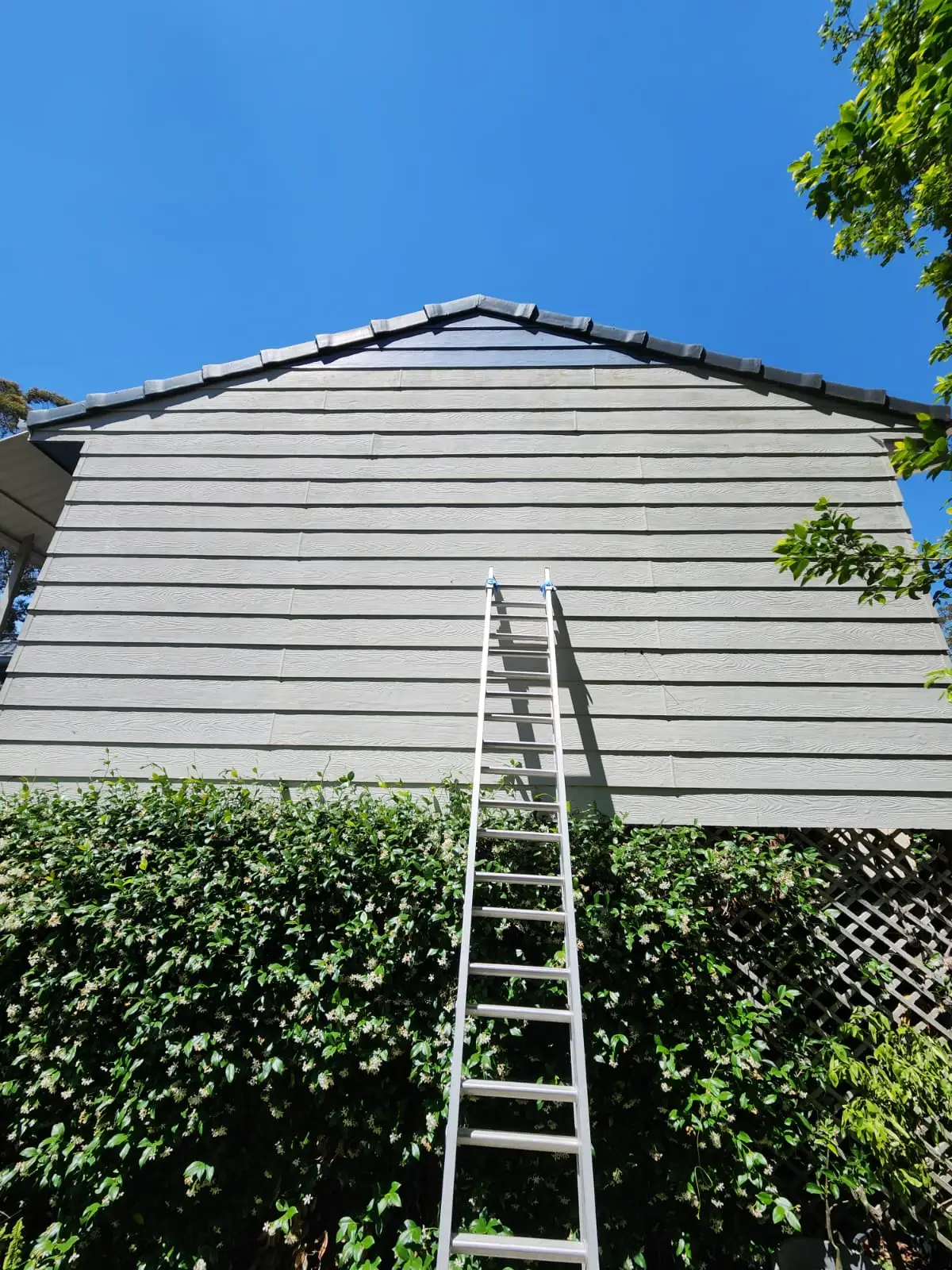
Start with a thorough pressure wash to remove dirt, cobwebs, mould, and salt buildup. For Newcastle homes near the coast, salt residue is the biggest hidden problem. It sits on surfaces invisibly and stops primer from gripping properly.
Use a garden hose for light dirt or a pressure washer at 1,500–2,000 PSI for heavier grime. For example, weatherboard painting in Newcastle needs a thorough wash, a gap seal, and a flexible primer before any topcoat. Soft-wash settings work well here, so you avoid forcing water behind the cladding. Allow 24 to 48 hours of dry weather before the next step.
Step 2 — Scrape and sand flaking paint
Once surfaces are dry, inspect for loose, peeling, or bubbling paint. Use a paint scraper to remove anything that lifts easily. Then sand the edges smooth so new coats blend cleanly into the existing surface.
Sound paint that is firmly bonded can stay. Removing it wastes time and exposes more bare substrate. Focus your effort on areas where coatings have clearly failed — around windows, fascia boards, and joins where moisture collects.
Step 3 — Fill cracks, gaps, and nail holes
Use a quality exterior filler for cracks and holes in timber, render, or fibre cement. For larger gaps around window frames, door frames, and where different materials meet, apply a paintable exterior sealant or caulk.
This step also helps with weatherproofing. Gaps that are left open allow moisture in behind cladding, which causes early paint failure from the inside out. After filling, sand smooth once cured and wipe away dust.
Step 4 — Spot-prime bare and repaired areas
Apply primer to any bare timber, exposed render, filled areas, and sanded spots. Primer creates a consistent base for topcoats, improves adhesion, and blocks tannin or stain bleed through from timber substrates.
For coastal properties in Newcastle, choose a primer made for exterior conditions. It should handle moisture and salt. Painting over dark colours with a lighter shade? Then a tinted undercoat helps coverage and cuts the number of finish coats.
Step 5 — Mask windows, trims, and fixtures
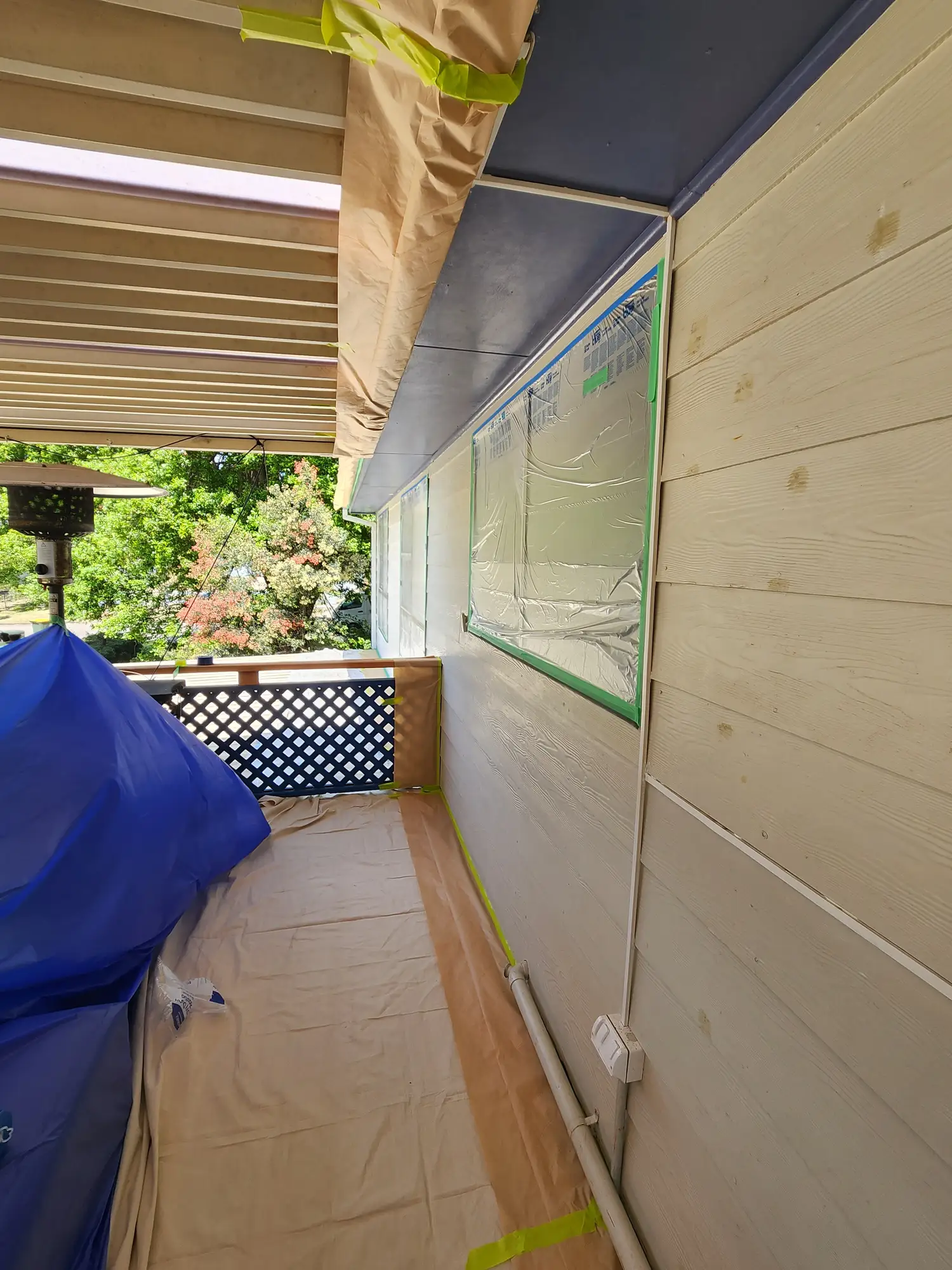
Protect glass, door handles, light fittings, and any surfaces that should not be painted by applying painter's tape and drop sheets. This step saves cleanup time and ensures sharp paint lines on trims and edges.
Also move or cover garden furniture, plants, and outdoor items near walls. Overspray and drips can travel further than you expect, especially if using a spray gun.
Coastal prep notes for Newcastle homes
Newcastle's coastal suburbs face extra exposure to salt spray, humidity, and UV. These factors accelerate coating breakdown, so prep quality matters more here than for inland properties.
- Wash salt residue off all surfaces — even if they look clean
- Check for mould in shaded areas under eaves and behind downpipes
- Use exterior-grade primers rated for moisture and salt conditions
- Allow longer drying times in humid weather (coastal air holds more moisture)
- Inspect metal fixings for rust and treat before painting over them
This guide covers the surface work your painter handles. Meanwhile, for the short list you tick off yourself, see how to prepare your home before the painters arrive.
Need help with exterior prep?
Feeling like the prep is too big a job? Or do you just want it done right the first time? Then our team can handle all the prep and painting for your property.
Exterior Paint Preparation FAQs
Answers to common prep questions for Newcastle homeowners.
You might also find useful
 Prep
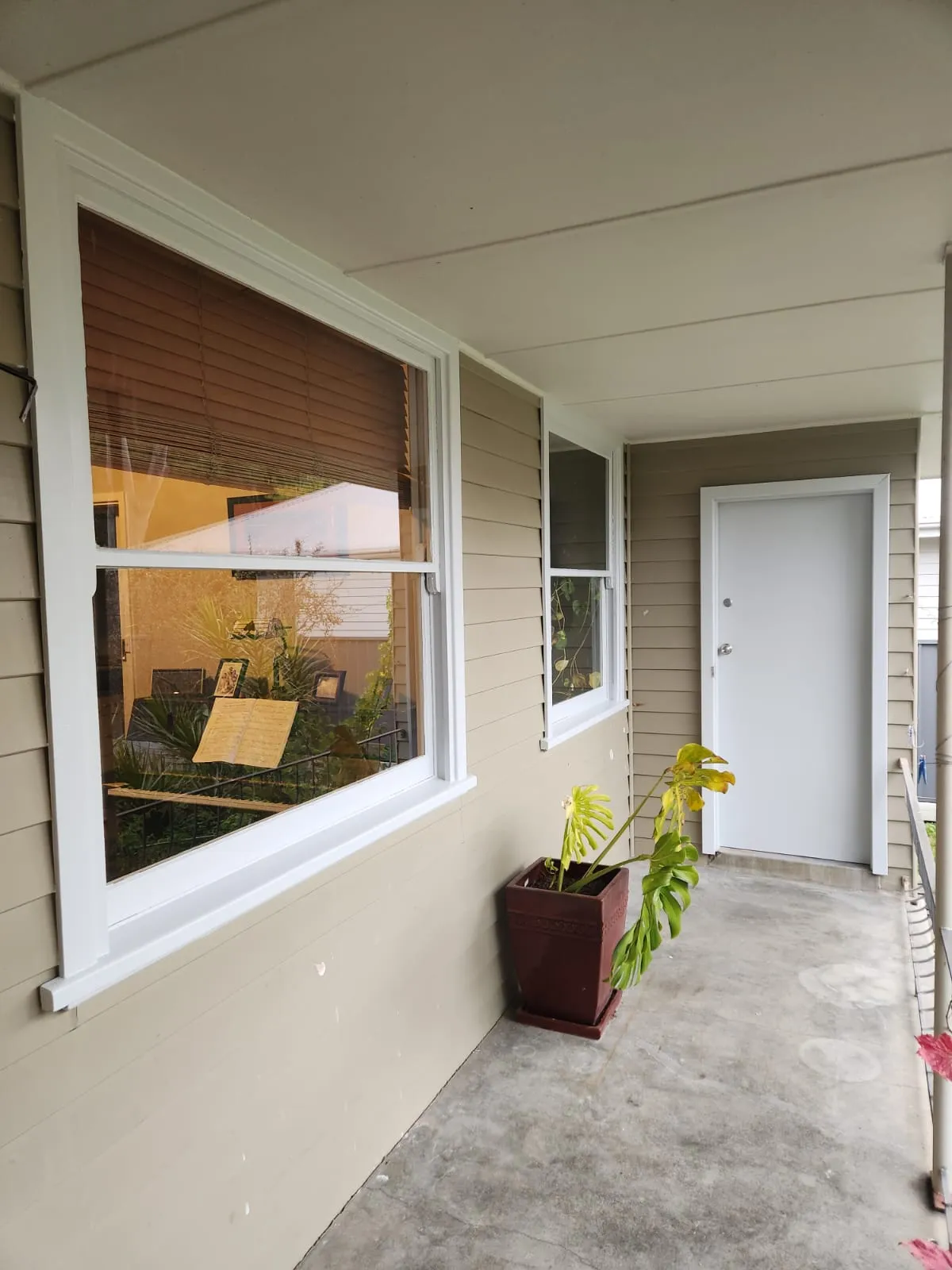
How to Prepare Walls for Painting in Newcastle
Clean, repair, sand, and prime step by step, plus the coastal prep that makes paint last.
Read guide Prep
Pressure Washing Before Painting
When and how to wash exteriors before painting starts.
Read guide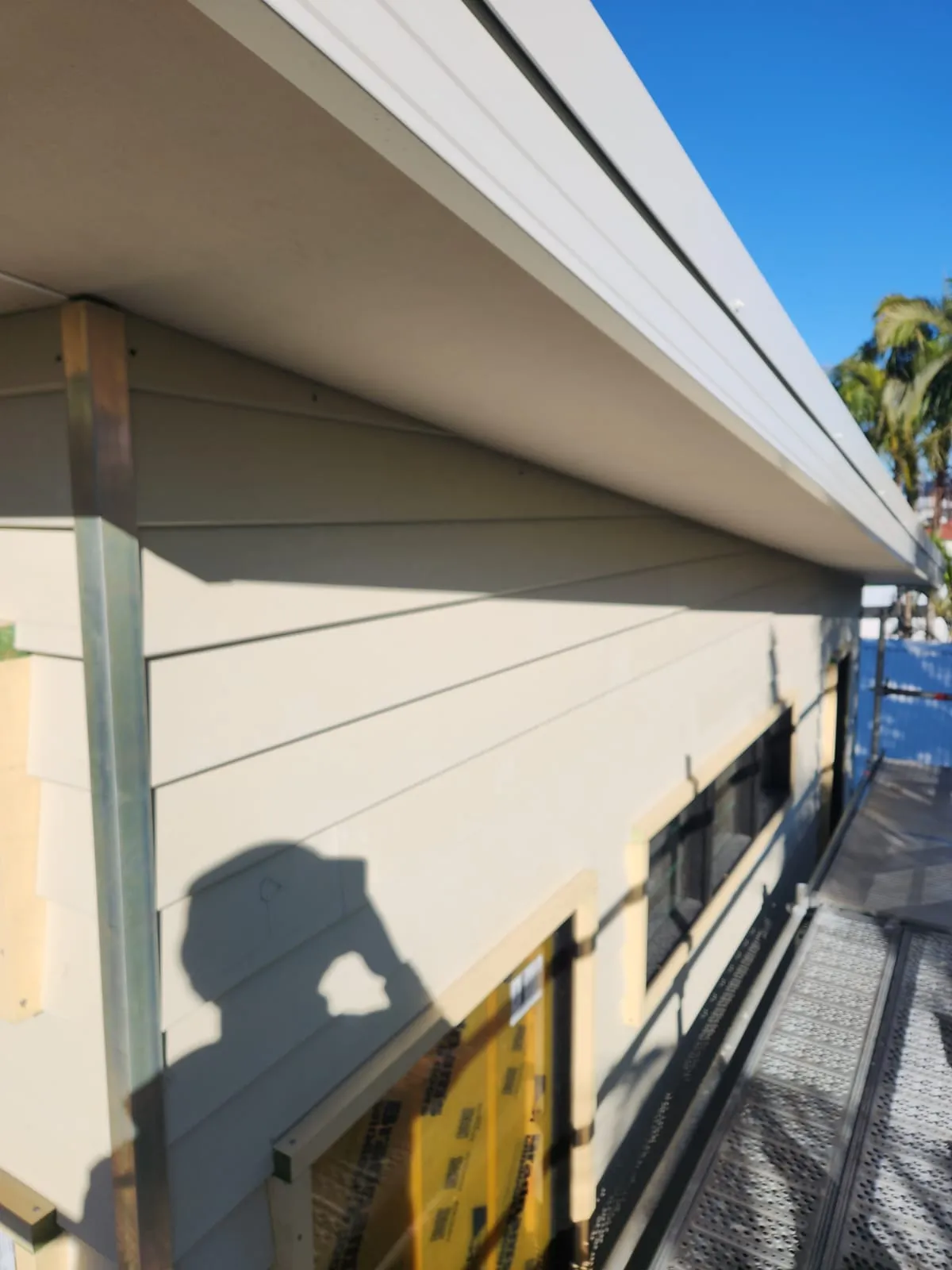 Prep
How Many Coats of Exterior Paint?
Recommended coat counts by substrate and condition.
Read guideRequest Your Free Painting Quote
Choose the service you need, then leave your name and email. Project details and photos are optional.
We will review the details, confirm whether a site visit is needed and explain the next step towards a written price and schedule.
Step 1 of 2
Only name and email required
Step 1 of 2: What do you need painted?
- Prefer to call?
- 0421 216 949
- Hours
- Mon–Sat, 7:00 AM - 6:00 PM
- ABN
- 12 345 678 901
Service areas
Newcastle, Lake Macquarie, Maitland, Port Stephens and the Cessnock & Hunter Valley, plus large exterior jobs on the Central Coast.
Prefer to talk, or need it sooner?
Skip the form and call or email us directly to discuss the property, scope and timing.
Phone hours: Mon to Sat, 7:00 AM to 6:00 PM.